
Dress codes can be super confusing, right? It feels like every invitation comes with a new set of rules you have to figure out. That’s why we’re breaking down the most common ones, starting with the ever-elusive casual dress code. What does it really mean to dress casually, and how do you do it without looking like you just rolled out of bed? We’ll cover everything from understanding the basic meaning to making casual work for different events, and even how to keep it looking sharp.
Key Takeaways
- The casual dress code means wearing comfortable, relaxed clothing that's still neat and presentable, avoiding anything too sloppy or worn-out.
- Casual dressing is about finding a balance between comfort and looking put-together, not just wearing whatever you want.
- Fit and fabric are super important for making casual outfits look polished, even with simple pieces like t-shirts and jeans.
- Accessorizing can really change the vibe of a casual outfit, adding personality and making it suitable for more occasions.
- While casual is relaxed, it's not appropriate for every event; always consider the occasion and err on the side of slightly more dressed up if you're unsure.
Understanding the Casual Dress Code Meaning
So, what exactly does "casual dress code" mean? It’s a phrase we hear a lot, but it can feel a bit like a moving target, right? The core idea is comfort and personal expression, but without looking like you just rolled out of bed. Think of it as a relaxed approach to dressing that still shows you put in some effort. It’s not about wearing your oldest sweatpants to a client meeting, but it’s definitely a step down from a suit and tie. It’s about finding that sweet spot where you feel good and look put-together, even if you’re not in formal wear. It’s a way to be comfortable while still presenting yourself well, whether you're heading to a relaxed office or a weekend get-together.
The Essence of Casual Dressing
At its heart, casual dressing is about ease and comfort. It’s about choosing clothes that feel good to wear throughout the day. This often means softer fabrics, looser fits, and styles that don’t restrict your movement. It’s a departure from the more structured clothing of traditional business attire, allowing for a more personal touch. Think about pieces that you can easily move in, like a comfortable pair of jeans or a soft knit sweater. It’s about feeling relaxed in your own skin and in your clothes.
Comfort Meets Chic
Who says comfort can't be stylish? The goal of casual chic is to blend that relaxed feel with a sense of polish. This means paying attention to details like fabric quality, fit, and how you put pieces together. A simple t-shirt can look incredibly chic when paired with well-fitting jeans and the right accessories. It’s about making thoughtful choices that keep you comfortable but also looking sharp. You can find some really nice casual dresses that fit this bill, perfect for everyday wear. Casual dresses are a great example of this blend.
Beyond Pajamas: Defining Casual
When we talk about casual, it’s important to draw a line. It’s not an excuse to wear anything and everything. While comfort is key, there’s still a level of appropriateness to consider depending on the context. It means avoiding anything stained, ripped (unless that’s the intended style), or overly revealing. It’s about looking neat and presentable. For instance, a nice pair of chinos with a clean polo shirt is casual, but so is a well-fitting pair of dark wash jeans with a stylish button-down shirt. The key is that the clothes are clean, in good repair, and fit you well. It’s about looking intentionally relaxed, not unintentionally sloppy. The Poet's Garden Casual Dress, for example, is a piece that embodies a more refined casual style, though it's currently unavailable. Poet's Garden Casual Dress.
Decoding Casual Attire for Various Occasions
So, you've got a casual dress code, but what does that actually mean when you're heading out? It's not just about throwing on whatever's cleanest. The vibe can shift depending on where you're going and who you're with. Think of it as a spectrum, not a single point.
Casual Fridays and Creative Brainstorms
This is where casual really gets to shine. For Casual Fridays, it’s your chance to relax the work attire a bit. A nice pair of dark wash jeans or chinos, paired with a clean, well-fitting t-shirt or a casual button-down shirt, usually does the trick. For women, a stylish sundress or a comfortable pair of trousers with a nice top works well. The key here is still looking presentable, not like you just rolled out of bed. It’s about comfort that doesn’t sacrifice professionalism entirely. For creative sessions, the goal is often to foster an environment where ideas can flow freely, and comfortable clothing definitely helps with that. You might see people in hoodies, sneakers, and even some stylish athleisure wear, as long as it's clean and not overly sloppy.
Elevating Casual for Social Gatherings
When a casual invitation comes your way for a social event, like a backyard BBQ or a relaxed birthday party, you can definitely have more fun with it. This is where you can play with patterns, textures, and accessories. Think a nice denim jacket over a casual dress, or a printed shirt with well-fitting jeans. For men, a polo shirt or a casual button-down with chinos or nice jeans is a solid choice. Women might opt for a flowy skirt with a tucked-in tee or a stylish jumpsuit. It’s about looking put-together and showing you made an effort, even if the dress code is relaxed. You want to look like you belong at the party, not like you’re just passing through. A great example is pairing a printed sundress with a denim jacket and some ankle boots; it’s comfortable but definitely has some style. You can find some really nice casual dresses that fit this bill, like the Sunset Ruffle Dream Casual Dress.
When Casual is Not Appropriate
Now, it’s important to know when casual just won't cut it. Even if an event says
Key Elements of a Polished Casual Look
So, you want to nail that casual vibe without looking like you just rolled out of bed? It’s totally doable. The trick is to pay attention to a few key details that make all the difference. Think of it as casual, but with a little extra thought put into it. It’s about looking put-together, even when you’re keeping things relaxed.
The Importance of Fit and Fabric
This is probably the biggest one. Even the most expensive clothes can look sloppy if they don’t fit right. For casual wear, aim for pieces that skim your body rather than cling to it or hang off it. Think about a well-fitting pair of jeans that aren't too tight or too baggy, or a T-shirt that drapes nicely. When it comes to fabric, natural fibers like cotton, linen, and soft knits just feel and look better. They breathe well and tend to hold their shape. A good quality knit tee, like the Urban Ease Knit Everyday Tee, can be a real workhorse in a casual wardrobe because the texture adds a bit of interest and it drapes nicely.
Accessorizing to Express Personal Style
Accessories are where you can really inject your personality into a casual outfit. You don’t need a ton of stuff, either. A simple necklace, a cool watch, or a stylish belt can totally change the feel of an outfit. For example, pairing a simple dress with some interesting earrings or a structured bag can make it feel more intentional. It’s about choosing pieces that speak to you and complement your look without overwhelming it. Think of accessories as the finishing touches that tie everything together.
Balancing Comfort and Sophistication
This is the sweet spot for polished casual. You want to feel comfortable, obviously, but you also want to look like you made an effort. This often comes down to mixing different types of pieces. Maybe you pair some comfortable, well-fitting jeans with a slightly dressier top, like a nice blouse or a fine-gauge sweater. Or perhaps you wear a casual dress with a more structured jacket or a pair of smart flats. It’s about creating a contrast that feels intentional and stylish. You can even transition a casual outfit for evening by swapping out sneakers for heels or adding a bit of jewelry. It’s all about those small adjustments that signal you’re put-together.
When you’re aiming for a polished casual look, remember that grooming matters. Clean, tidy hair, neat nails, and polished shoes can make a huge difference. It shows you care about your appearance, even in relaxed settings.
Here’s a quick look at how different pieces can contribute:
- Tops: Think beyond basic tees. A well-made knit top, a simple button-down shirt in a nice fabric, or a lightweight sweater can instantly elevate your look.
- Bottoms: Dark-wash or black jeans, tailored chinos, or even well-fitting casual trousers are great options. Avoid anything too distressed or overly baggy.
- Outerwear: A denim jacket, a bomber jacket, a casual blazer, or a stylish cardigan can add a layer of sophistication.
- Footwear: Clean sneakers, loafers, ankle boots, or stylish flats can complete the outfit. Make sure your shoes are in good condition.
Ultimately, the goal is to look effortlessly chic. It’s about choosing pieces that fit well, are made from decent materials, and are styled with a bit of care. It’s not about wearing a suit; it’s about looking good and feeling comfortable while doing it. For instance, a classic T-shirt paired with tailored trousers and loafers can be a great example of this balance, much like the versatility offered by premium shirts.
Distinguishing Between Casual and Smart Casual
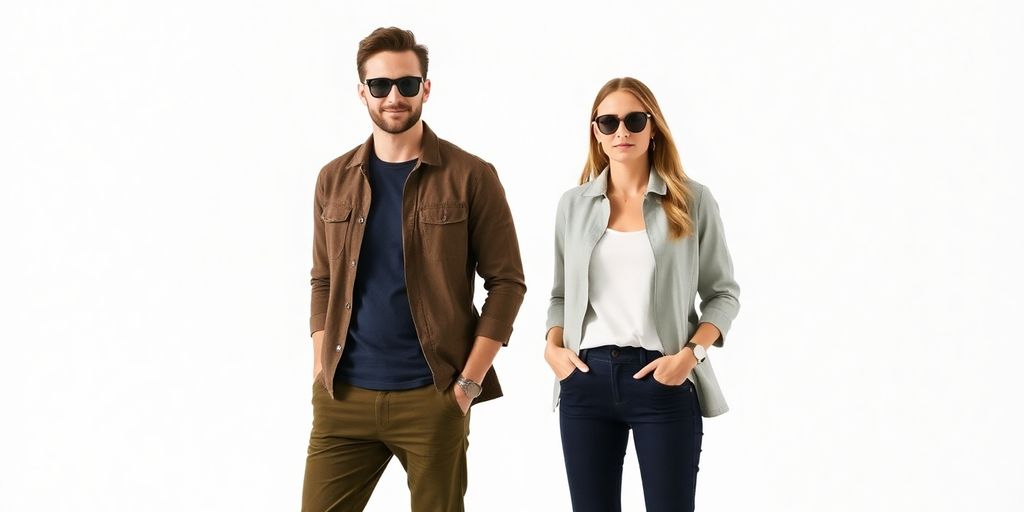
So, you've got a dress code that says 'casual,' but then there's 'smart casual.' What's the real difference? It's like trying to tell apart two very similar shades of blue – subtle, but important. Smart casual is about looking polished and put-together without being overly formal. Think of it as your go-to for when you want to look sharp but still feel comfortable, maybe for a nice dinner out or a less formal work event. Casual, on the other hand, is where comfort really takes the lead, but it doesn't mean you should roll out of bed and call it an outfit.
Smart Casual: The Strategic Ensemble
Smart casual is your versatile friend. It’s the outfit you wear when you want to make a good impression without wearing a suit. For guys, this might mean a nice pair of chinos or dark wash jeans paired with a button-down shirt or a polo shirt, maybe even a casual blazer. For women, it could be tailored trousers or a skirt with a stylish blouse or a well-fitting sweater. The key here is the 'smart' part – it implies a level of care in your clothing choices. Think elevated fabrics and a good fit. You can find some great options for versatile maxi dresses that can easily be dressed up for a smart casual look.
Casual: The Creative's Canvas
Casual is where you get to express yourself more freely. It’s about comfort and personal style. This could mean your favorite pair of jeans with a cool graphic tee or a comfortable sundress. The important thing is that even though it's casual, it should still look intentional. Avoid anything stained, ripped (unless it's a deliberate style choice), or ill-fitting. It’s about looking relaxed, not sloppy. This is perfect for weekend outings or those 'casual Fridays' at work.
Navigating the Nuances
When you're trying to figure out which is which, consider the context. If you're going to a company picnic or a relaxed get-together with friends, casual is usually fine. If you're meeting a client for lunch or attending a slightly more upscale social event, smart casual is probably the safer bet. It’s all about reading the situation and choosing an outfit that fits. Remember, even in casual wear, paying attention to details like clean shoes and neat grooming makes a big difference. It’s about looking good and feeling good, no matter the dress code.
The biggest mistake people make with casual dress codes is thinking 'anything goes.' While comfort is key, a little effort goes a long way in making your casual look intentional and stylish. It's about finding that sweet spot between feeling relaxed and looking presentable.
Casual Dress Code in Professional Settings

So, the office says "casual." What does that actually mean when you're trying to look like you know what you're doing? It's not exactly a free-for-all, but it's definitely a shift from the suits and ties of yesteryear. The key is finding that sweet spot between comfort and looking put-together.
The Evolution of Business Casual
Remember when "business casual" meant khakis and a polo shirt? Things have loosened up a lot. Many companies, especially in tech or creative fields, have embraced a more relaxed vibe. This often means jeans are okay, but there are usually unspoken rules. Think clean, dark-wash denim without rips or tears. It’s about looking approachable and comfortable, but still ready to tackle your workday. It’s a far cry from the days when a blue skies lace tiered dress would have been unthinkable in most offices.
Maintaining Professionalism with Casual Wear
Even when the dress code is casual, professionalism still matters. It’s about making smart choices.
- Fit is King: Even the most casual items look better when they fit well. Avoid anything too baggy or too tight.
- Fabric Matters: Opt for decent fabrics. A well-made cotton t-shirt looks a lot more professional than a thin, worn-out one.
- Keep it Clean: Make sure your clothes are always clean, ironed if necessary, and free of stains or holes.
- Mind the Details: Accessories can make a big difference. A nice watch or a simple necklace can add a touch of polish.
When in doubt, it's always better to be slightly overdressed than underdressed. If you're unsure about a particular item, ask yourself if it would be appropriate for a casual client meeting. If the answer is no, maybe skip it for the office too.
Workplace Variations in Casual Attire
Every office is different, right? What's acceptable in a startup might not fly in a more traditional company.
- Creative Fields: Often the most relaxed. Think graphic tees, stylish sneakers, and even ripped jeans (sometimes).
- Tech Companies: Usually a step up from pure casual, but still very relaxed. Jeans, t-shirts, hoodies are common.
- More Traditional Offices: Might allow casual on Fridays only, and even then, it's usually a more polished version of casual – think nice jeans or chinos with a button-down shirt.
It really comes down to reading the room and understanding your company's specific culture. If you're new, observe what your colleagues and superiors wear. That's usually the best guide.
Building a Versatile Casual Wardrobe
Building a versatile casual wardrobe is all about smart choices and knowing how to put pieces together. It’s not just about throwing on whatever’s comfortable; it’s about creating outfits that look good, feel good, and work for different situations. Think of it as having a toolkit of clothes that you can mix and match without a lot of fuss.
Mixing and Matching Casual Pieces
The real magic of a casual wardrobe happens when you can combine different items to create new looks. Start with a solid foundation of basics. A good pair of jeans, some neutral-colored t-shirts, and a comfortable sweater are your starting point. From there, you can add pieces that have a bit more personality, like a printed blouse or a jacket with some interesting detail. The key is to have items that can easily pair with multiple other pieces. For example, a simple black t-shirt can go with jeans, shorts, or even a casual skirt. A denim jacket is another great example; it works over almost anything. It’s about creating a system where most things work together, making getting dressed much simpler.
Transitioning from Day to Evening Casual
Sometimes, you need your casual outfit to take you from a daytime activity straight into the evening. This is where a few strategic swaps can make all the difference. Imagine you're wearing jeans and a t-shirt for a casual lunch. To get ready for dinner, you could swap your sneakers for a pair of ankle boots or even some stylish heels. Adding a nice scarf or some bolder jewelry can also instantly dress up the look. If you’re wearing a casual dress, like a maxi dress, you might add a belt to cinch the waist and switch out a tote bag for a clutch. It’s about adding those little touches that signal a shift from daytime casual to evening casual. A great example is the Urban Muse Tie-Front Shirt Dress, which can easily go from day to night with a change of shoes and accessories.
Common Mistakes to Avoid in Casual Dressing
While casual dressing is meant to be relaxed, there are still a few pitfalls to watch out for. One common mistake is letting comfort completely take over, leading to outfits that look sloppy rather than intentionally casual. This often happens when clothes are ill-fitting or made from poor-quality fabrics. Another mistake is not considering the context. What’s perfectly fine for a weekend picnic might not be suitable for a casual office environment. Also, relying too heavily on one type of item, like only wearing graphic tees, can make your wardrobe feel limited. It’s important to have variety and to ensure your clothes, even the casual ones, are clean, well-maintained, and fit you properly. Remember, even casual outfits benefit from a bit of polish.
So, What's the Takeaway?
Figuring out what to wear can feel like a puzzle sometimes, right? Whether it's business casual for work or dressy casual for a party, the lines can get blurry. But really, it's all about looking put-together and feeling good. Think about the event, where you're going, and what makes you feel confident. Most of the time, it’s about finding that sweet spot between being too formal and too relaxed. So next time you're staring at your closet, just remember: a little thought goes a long way in making sure you nail the vibe without overthinking it.
Frequently Asked Questions
What exactly counts as casual clothing?
Think of casual wear as comfy but still neat clothes. It's not about wearing your oldest sweatpants! It means choosing outfits that are relaxed and easy to wear, but still look put-together. For example, nice jeans with a cool t-shirt or a simple sundress are great casual options.
What's the main idea behind casual style?
Casual style is all about feeling good and looking good without trying too hard. It’s like finding that perfect balance between being super comfy and still looking stylish. You can show off your own personality with your clothes, making sure they fit well and are made from nice materials.
How can I make my casual outfit look more dressed up?
While casual clothing is usually for relaxed settings, you can make it look nicer for certain events. The trick is to pick clothes that fit you well, use good fabrics, and add some stylish accessories like a nice belt or some cool jewelry. It’s about making your casual outfit look a bit more special.
What's the difference between casual and smart casual?
Smart casual is a step up from regular casual. It’s a bit more polished but still comfortable. Imagine wearing a blazer with jeans, or a nice top with dressy pants. It’s a smart way to look good for work or events where you don’t need to be super formal, but you still want to impress.
Is it okay to wear casual clothes to work?
In many jobs today, dressing casually is totally fine, especially on certain days like 'Casual Fridays.' The key is to keep it professional. This means avoiding ripped clothes, t-shirts with big logos, or anything too revealing. Stick to clean, well-fitting items that show you’re still serious about your work.
What are the most important things to remember when dressing casually?
When you’re dressing casually, pay attention to how your clothes fit. Clothes that are too baggy can look messy. Also, choose fabrics that feel nice and look good, like cotton or linen. Don’t forget accessories! A cool watch, a stylish bag, or some neat shoes can really make your casual outfit stand out.

